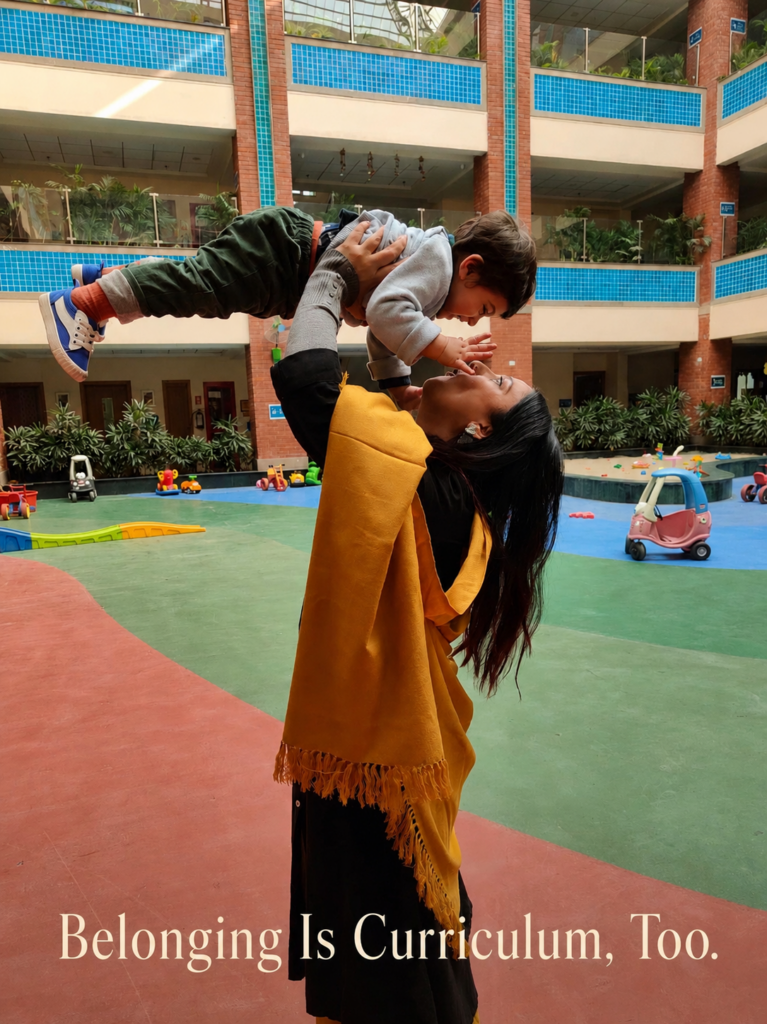
Why relationships remain the most powerful curriculum.
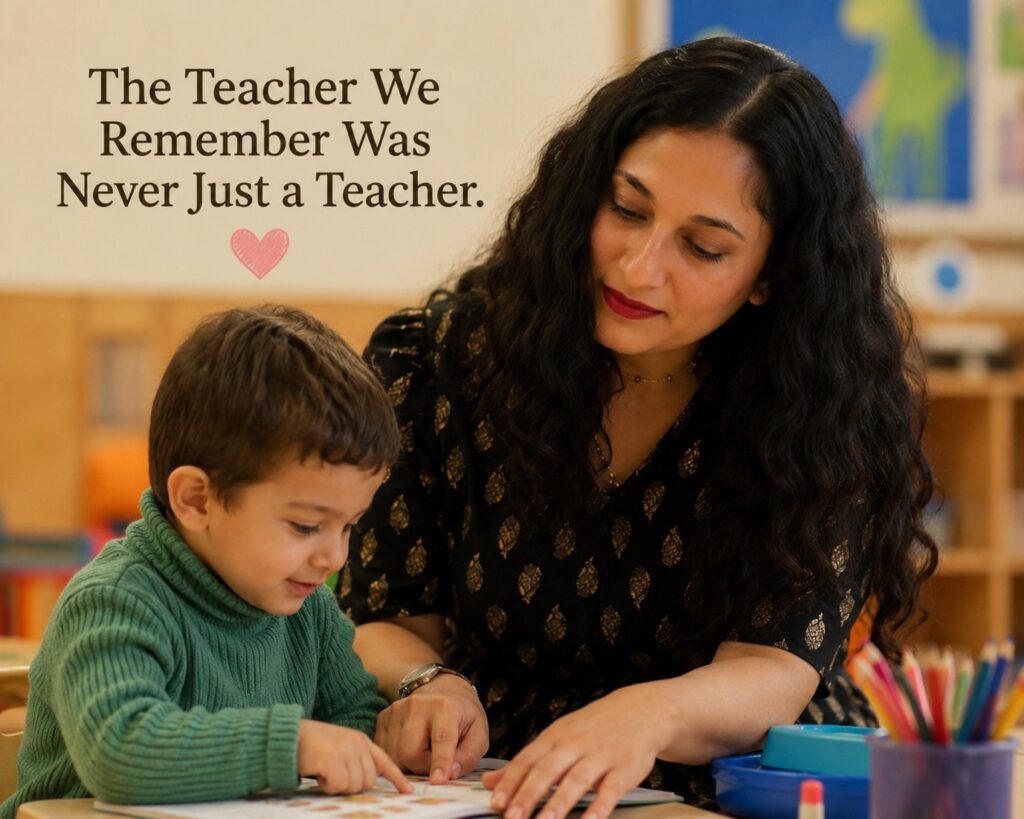
Why Students Remember Their Teachers Long After They’ve Forgotten the Lesson
“Education is not the filling of a pail, but the lighting of a fire.”
— William Butler Yeats
Close your eyes for thirty seconds.
Think of your favourite teacher.
Not the one who gave the highest marks.
Not the one who finished every chapter on time.
The one you still remember.
Can you picture them?
Now ask yourself one question.
What came to mind first?
Was it a lesson they taught?
A worksheet?
A presentation?
A test?
Probably not.
More often than not, what we remember is something much quieter. The teacher who smiled at us
when we doubted ourselves. The one who waited patiently while everyone else had finished. The one
who noticed when we weren’t ourselves. The one who believed in us long before we believed in
ourselves. That is perhaps the simplest answer to why students remember their teachers.
As educators, we spend countless hours refining lesson plans, preparing assessments, choosing
resources and searching for better teaching strategies. All of that matters. Good teaching deserves
thoughtful planning. But somewhere in the middle of curriculum documents, learning outcomes and
assessment rubrics, we sometimes forget the one thing that gives all of it meaning. Relationships !!
The curriculum may tell us what to teach. Pedagogy helps us decide how to teach. But relationships
determine whether learning is truly received.
This isn’t simply a comforting idea. It is what decades of educational research continue to affirm.
The importance of teacher-student relationships extends far beyond creating happy classrooms. Strong
relationships influence children’s willingness to participate, their confidence to take risks, their
resilience after making mistakes and, ultimately, their capacity to learn.
Think about a young child walking into school on the first day. Long before they notice the books on
the shelves or the colourful displays on the walls, they begin asking silent questions.
“Should I say what I feel like?”
“Are they my friends?”
“Will this teacher like me?”
Children rarely ask these questions aloud, but they answer them every single day through their
experiences.
A warm greeting at the classroom door. A teacher who remembers their favourite story or a song and
even a holiday destination. A reassuring smile after an incorrect answer.A quiet conversation when
something feels difficult.
These moments may seem small to adults. To children, they become evidence. Evidence that this is a
place where they can try. A place where mistakes are allowed. A place where learning feels possible,
learning feels fulfilling.
As an early childhood educator, I have often been reminded that before children become confident
learners, they first become confident belongers. They don’t arrive in our classrooms ready to absorb
literacy, mathematics or science. They arrive looking for connection. Once they find it, curiosity
follows almost naturally. Perhaps that is why, years later, very few adults remember Tuesday’s lesson
on fractions or the worksheet they completed before lunch. Yet they can describe, with astonishing
clarity, the teacher who made them feel seen.
And that tells us something profound about learning itself.
Before children remember the lesson, they decide whether they can trust the person teaching it.
Until next time, keep nurturing curiosity and connection.
Pihu Kapoor
Education Consultant | Teacher Educator